
How to Track Business Expenses Properly
Learn the three main expense categories and why tracking them separately matters for your financial clarity.
Read MoreThe right system makes tracking costs easier. Learn which approach fits your business size and structure best.

You’re running a business. Every rupiah matters. But here’s the thing — most companies don’t actually know where their money goes. They see revenue come in, expenses go out, and hope for profit at the end. That’s guessing, not managing.
Cost accounting changes that. It’s not just about tracking spending. It’s about understanding which products make money, which operations waste resources, and where you can actually improve. Implement the right system, and you’ll spot inefficiencies you didn’t know existed.
The challenge isn’t understanding cost accounting. It’s choosing the right approach for your business. A manufacturing firm needs something different than a service company. A startup operates differently than an established business with multiple departments.

Understanding these fundamental steps helps you select the right system for implementation.
Separate your expenses into meaningful groups. Direct materials, labor costs, overhead — each category tells you something different. You can’t improve what you don’t measure.
Assign expenses to the right products or departments. This is where most companies stumble. Use activity-based costing or traditional methods depending on your operations.
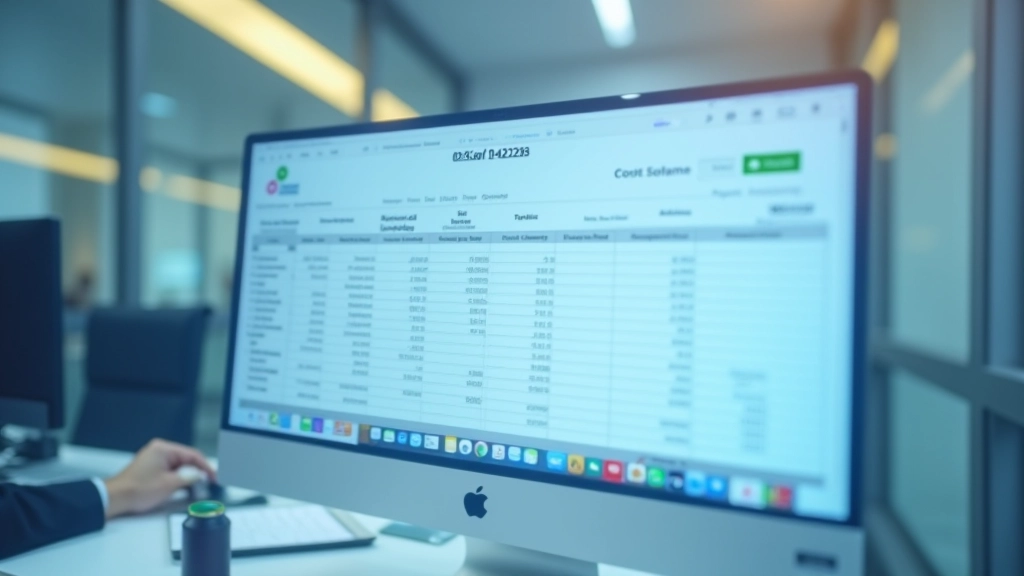
Document everything consistently. Whether you’re using spreadsheets or dedicated software, regular recording prevents gaps and keeps your data reliable.
Review the numbers regularly. Look for patterns. Which products have the highest margins? Which operations consume the most resources? Then make decisions based on data, not intuition.
You’ll encounter two primary methods when setting up your system. Job costing works when you produce distinct, customizable products — like a construction firm or a design agency. You track costs for each specific project, which gives you precise numbers for pricing and profitability.
Process costing works better for standardized products made in continuous streams. Think beverage manufacturing or textile production. You calculate average costs per unit across production runs.
Your choice depends on how you operate. Manufacturing companies with diverse product lines often use hybrid approaches. Some departments run job costing while others use process costing. That’s perfectly fine. The system should match your reality, not the other way around.
Pro tip: Most Malaysian businesses start with basic job costing because it’s easier to implement and provides quick wins in cost visibility.


Starting is easier than you think. Don’t try to build the perfect system immediately. You’ll waste months planning and never launch. Instead, start simple. Use spreadsheets if that’s what you have. Record your actual costs for two or three months. You’ll quickly see which data matters most.
After three months of basic tracking, you’ll know enough to upgrade. Maybe dedicated accounting software makes sense. Maybe you need better cost allocation methods. By then, you’re solving real problems instead of hypothetical ones.
Train your team gradually. One person shouldn’t carry the entire burden. Your production team knows which resources go where — they’re valuable for accurate allocation. Your sales team knows customer-specific costs. Involve them. It’s not just about numbers; it’s about building understanding across the business.
Cost accounting doesn’t just give you numbers. It drives decisions that actually change your bottom line.
You’ll know your actual costs. Set prices that cover expenses AND generate profit instead of guessing and hoping.
See which products are profitable and which drain resources. Stop making decisions based on revenue alone.
Identify waste in operations. Small improvements across multiple areas add up to significant savings.
Understand how scaling affects costs. Make expansion decisions with confidence instead of uncertainty.
You don’t need sophisticated software or complex processes to get started. Most businesses benefit from basic cost tracking implemented well rather than elaborate systems they don’t fully understand. Pick one method, implement it consistently, and review the results monthly.
Cost accounting isn’t something you “do once” and finish. It’s an ongoing practice that improves as your business grows. The companies that win financially aren’t the ones with the most advanced systems — they’re the ones that actually use what they have to make better decisions.
Start by tracking your costs for one month using whatever tools you have available. You’ll be surprised what you discover.

This article is educational and informational in nature. It provides general guidance about cost accounting principles and methodologies. Every business operates differently, and circumstances vary significantly based on industry, size, and structure. The strategies and methods discussed here should be adapted to your specific situation. For personalized advice on implementing cost accounting systems in your business, consult with a qualified accountant or financial advisor familiar with your industry and operational context. This content is not professional accounting advice.