
How to Track Business Expenses Properly
Learn the three main expense categories and why tracking them separately matters for your business decisions.
Why Tracking Matters More Than You Think
Most business owners track expenses because they have to. But here’s the thing — proper tracking doesn’t just keep you compliant. It actually shows you where your money’s going and where you can cut costs.
Without clear expense records, you’re basically flying blind. You can’t answer simple questions like “What’s eating up our budget?” or “Where could we save 10%?” These aren’t abstract concerns. They directly impact your bottom line.
The good news? You don’t need fancy software or an accounting degree. You just need a system that separates expenses into categories that actually mean something for your business. We’ll show you exactly how.

The Three Categories You Need to Know
Here’s where most businesses get confused. They lump everything together, then wonder why their numbers don’t make sense. The solution is separating your expenses into three clear buckets.
Direct Costs
Expenses directly tied to producing your product or service. Raw materials, labor for production, packaging — if it wouldn’t exist without your product, it’s a direct cost.
Indirect Costs
Expenses that support production but aren’t directly tied to it. Factory utilities, equipment maintenance, quality control staff. These happen whether you produce 10 units or 100.
Operating Expenses
Everything else that keeps the business running. Office rent, marketing, insurance, salaries for non-production staff, software subscriptions. These aren’t tied to production volume.
Step 1: Track Direct Costs First
Direct costs are your easiest win. They’re straightforward to identify and they directly impact your pricing decisions. If you’re making furniture, every dollar spent on wood, nails, and finish goes into this category.
Why separate them? Because direct costs change with volume. Make 50 chairs instead of 25, and your direct costs roughly double. Understanding this relationship is crucial for pricing and profitability analysis.
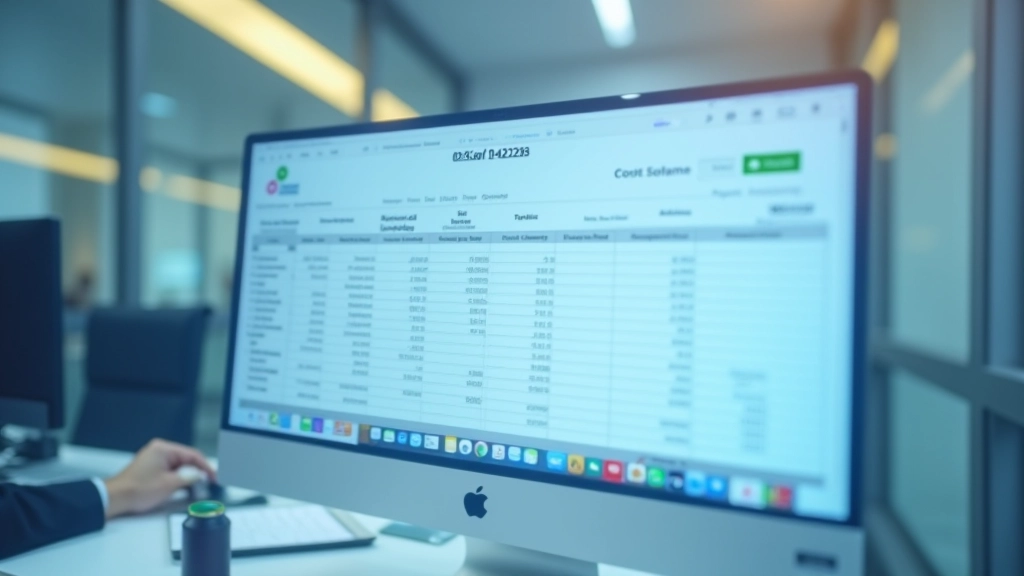
Start tracking every invoice, receipt, and payment related to production. Create a spreadsheet with columns for: date, description, amount, and what specifically was purchased. Don’t get fancy yet — consistency matters more than complexity.
Most businesses find that 40-60% of their revenue goes to direct costs. If yours is wildly different, that’s worth investigating. Maybe you’re underpricing, or maybe you’ve found genuine efficiencies.


Step 2: Capture Indirect Costs
This is where tracking gets trickier. Indirect costs don’t have a clear one-to-one relationship with each product. But they’re still critical to understand your true production cost.
Your factory uses electricity whether you’re running one shift or two. Your quality control manager is there whether you’re at 50% capacity or 100%. These costs still need to be tracked — they just need to be allocated differently.
Set up a separate tracking system for indirect costs. Monthly utilities, maintenance contracts, supervision salaries, equipment depreciation — all of it gets recorded. Then at the end of each month, you’ll divide these costs across your products based on a reasonable allocation method.
Most manufacturers use one of two methods: divide costs by number of units produced, or allocate based on direct labor hours. Both are legitimate. Pick one and stick with it so your numbers are consistent.

Getting Started: Your First Month
Audit Current Spending
Go through the last three months of bank and credit card statements. List every transaction. Don’t worry about categories yet — just get everything visible. You’ll be surprised what you find.
Create Your Categories
Build your three main categories (direct, indirect, operating), then add sub-categories based on what you actually spend money on. Keep it simple — more than 15 total categories and you’ll get overwhelmed.
Pick Your Tool
Spreadsheet, accounting software, or expense app — choose what you’ll actually use. Don’t pick the fanciest option. Pick the one you’ll stick with for the next six months.
Record Everything
Every receipt, every invoice, every payment. Do it weekly, not monthly. Weekly tracking takes 15 minutes. Monthly catch-up takes three hours and you’ll miss things.
Review Monthly
At month-end, spend an hour reviewing. What categories spiked? What’s new? What surprised you? This review is where the insight comes from.
What You’ll Discover When You Track Properly
Proper expense tracking isn’t just for compliance. It’s actually a decision-making tool. Once you’ve been tracking for two or three months, patterns emerge.
Not the guess you’ve been using. The actual cost including direct, indirect, and allocated overhead.
Some months cost way more. Is it genuine variation, or waste? Now you can see it.
Not all spending is equal. Cutting $100 from materials affects your product. Cutting $100 from software doesn’t.
You’ll finally know if your prices are actually covering costs and generating reasonable profit.

The Bottom Line
You don’t need complex accounting to understand your business. You need clear categories and consistent tracking. Direct costs, indirect costs, and operating expenses. That’s it. Once you’ve got those separated and tracked consistently, you’ve got the foundation for real business decisions.
“What gets measured gets managed. You can’t improve what you don’t track.”
— Management Principle
Start this month. Pick your three categories, choose your tracking method, and commit to recording everything for the next 90 days. By the end of that period, you’ll understand your business better than you ever have. And you’ll have actual data to base decisions on instead of guesses.



Disclaimer
This article provides general educational information about business expense tracking and cost accounting concepts. It’s not intended as professional accounting, tax, or financial advice. Accounting rules and tax regulations vary by country, industry, and business structure. For guidance specific to your situation, consult with a qualified accountant or financial professional. The examples and percentages mentioned are for illustrative purposes and may not reflect your actual business circumstances.